Seasonal Preparation
Seasonal Vehicle Readiness: A Structured Pre-Trip Checklist
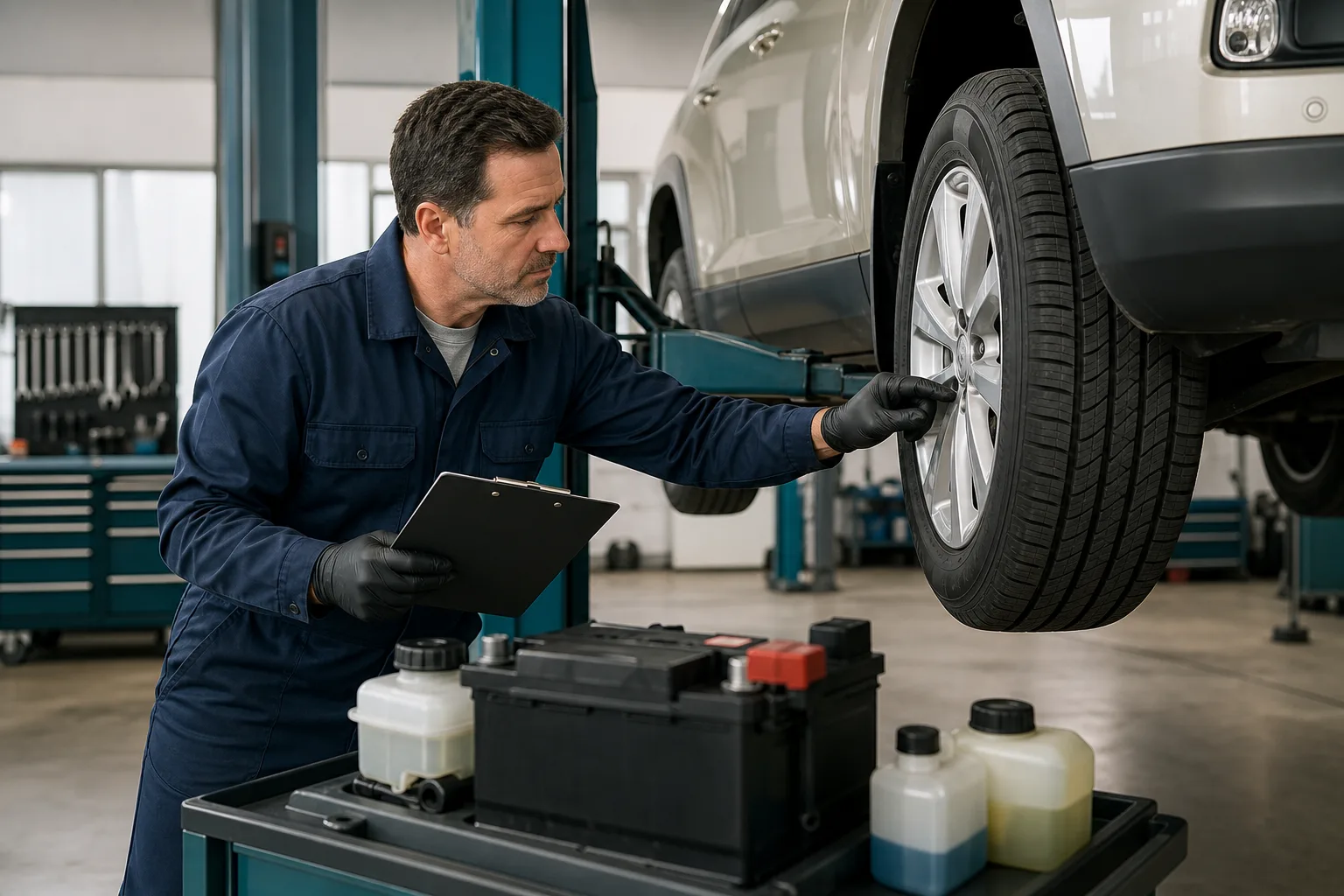
Seasonal shifts and long highway trips stress systems that behave perfectly on short commutes. Heat, sustained speed, heavy loads, and sudden rain expose weak batteries, marginal tires, and cooling margins that city driving never reveals. A structured readiness review reduces roadside surprises and gives you a documented baseline before miles accumulate.
Step One: Fluids and Filters
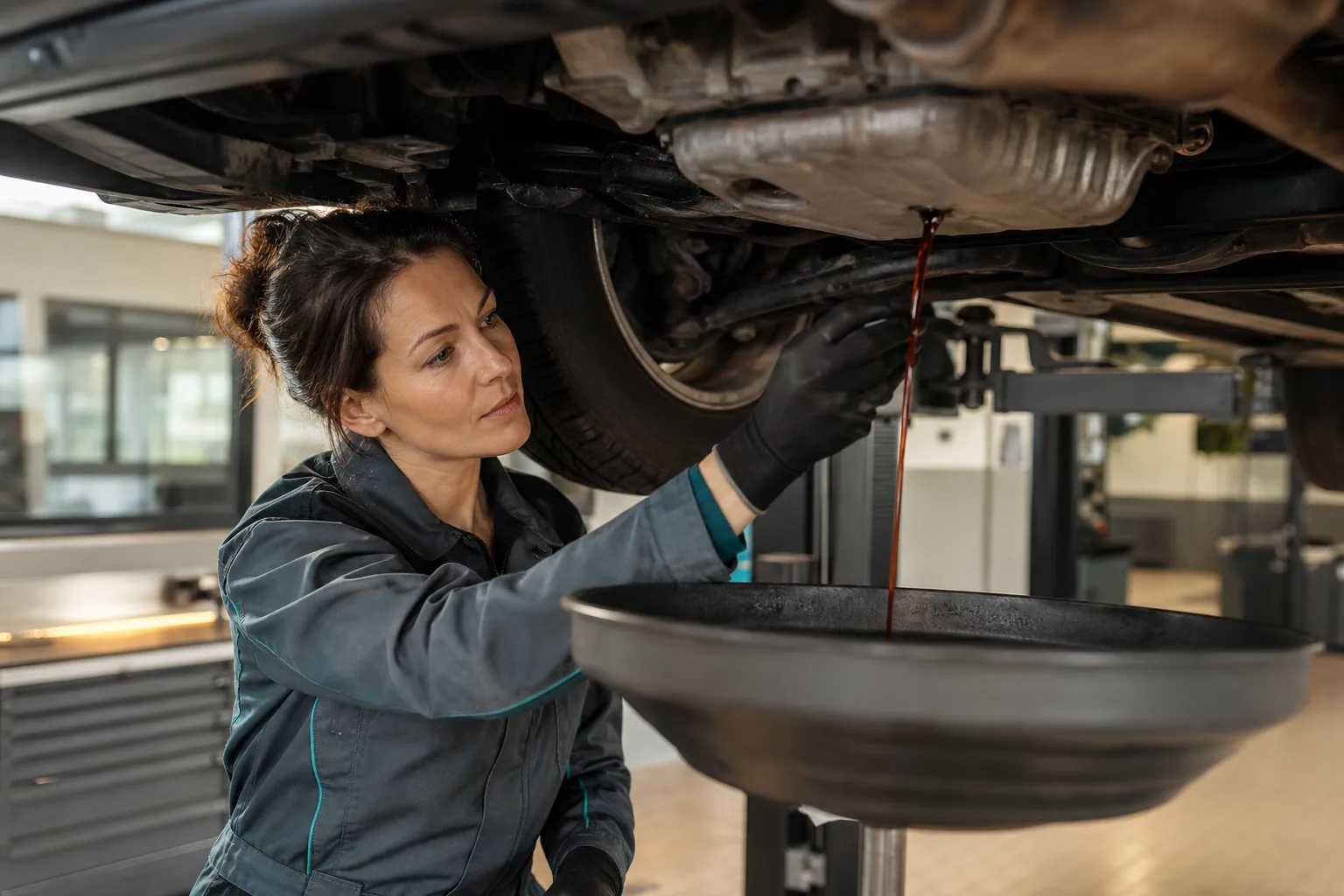
Verify engine oil level and condition on level ground after a brief warm-up. Check coolant concentration — not just quantity — especially before summer heat. Inspect brake fluid clarity; dark fluid may indicate moisture absorption. Transmission and power steering levels belong on the list for vehicles with accessible dipsticks or sight glasses.
Cabin and engine air filters affect HVAC performance and engine breathing. Replace clogged filters before trips through dusty routes or allergy seasons. Note the date and mileage when checks occur so the next service interval stays clear.
Step Two: Tires and Wheel Hardware
Confirm tread depth across all positions — uneven wear signals alignment or suspension issues worth resolving before travel. Set pressures to the door-jamb specification for loaded conditions if carrying passengers and luggage. Inspect sidewalls for bulges, cuts, or aging cracks. Do not forget the spare: many failures happen when the spare is flat or inaccessible due to corroded hardware.
- Include torque verification on recently rotated wheels
- Check valve stems and caps for leaks
- Ensure lug wrench and jack operate correctly
Step Three: Braking System Confidence
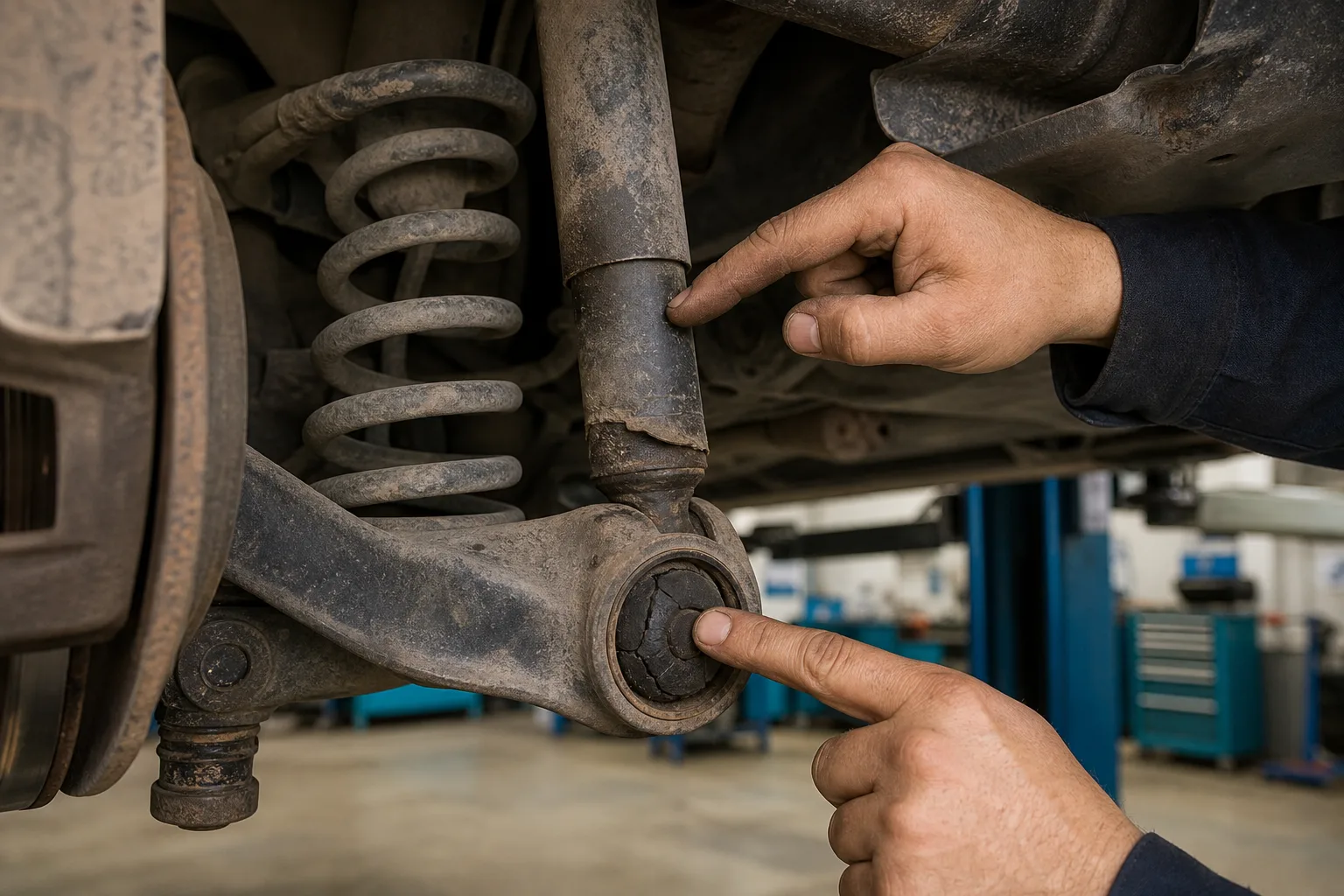
Listen for grinding or pulsation under light braking in a safe area. Review pad thickness if wheels are off during rotation service. Examine rubber brake lines for swelling or cracks near fittings. Parking brake hold on a gentle incline confirms rear brake engagement — often overlooked until a steep driveway exposes weakness.
Step Four: Cooling and Electrical Loads
Inspect radiator and condenser fins for debris blocking airflow. Confirm fan operation after reaching operating temperature. Test battery terminals for corrosion and secure mounting — heat accelerates failure in marginal units. Run A/C at maximum load briefly; weak performance may indicate refrigerant loss or condenser restriction before you cross warm regions.
Verify headlights, brake lights, and turn signals. Replace failed bulbs before night driving segments. Charge ports and accessory outlets should handle navigation and device loads without voltage drop that affects engine management on sensitive vehicles.
Step Five: Professional Inspection When in Doubt
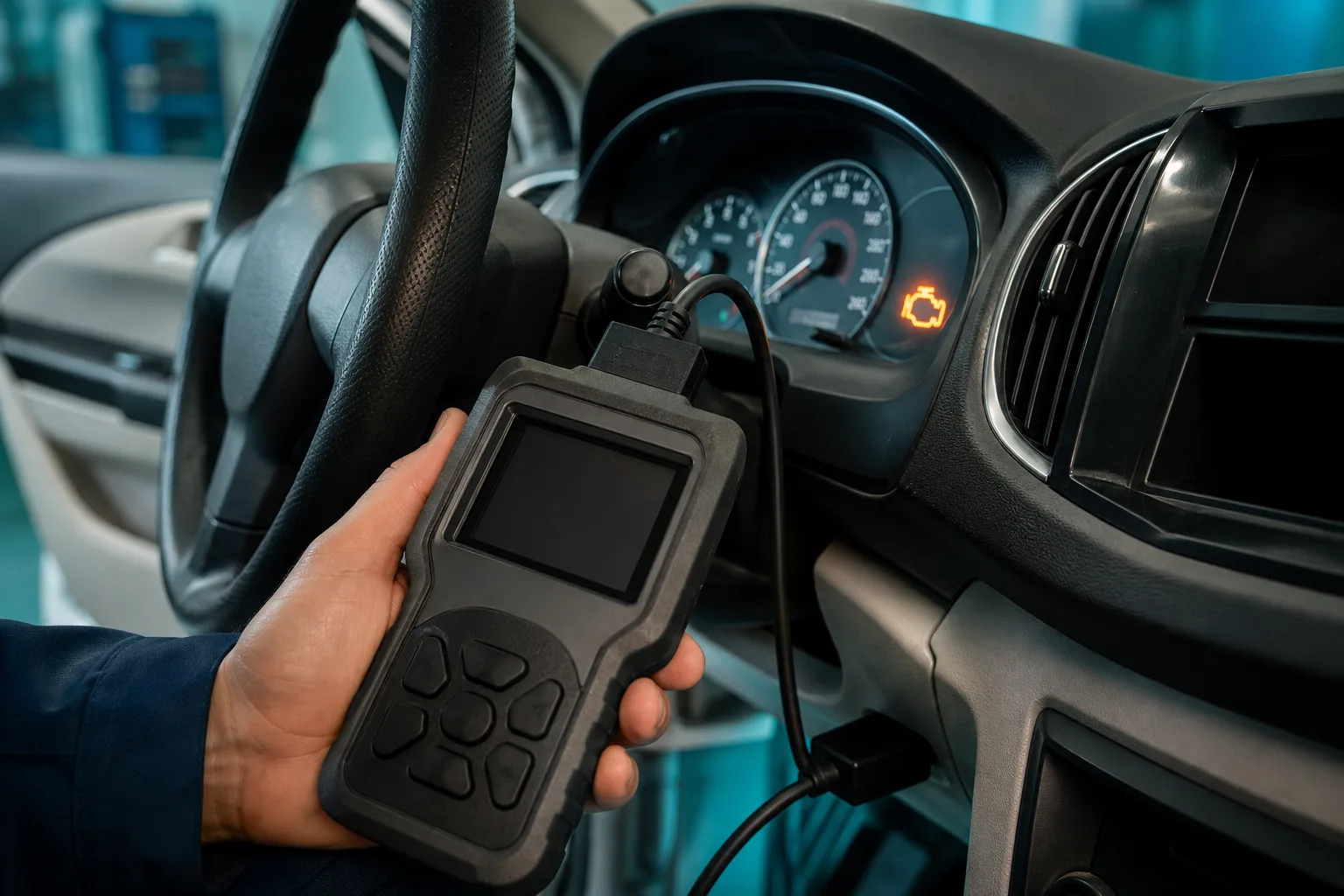
Owner checks catch obvious issues; workshop inspections add lift access, torque verification, and scan tool review of pending codes. At macrobiotx, readiness packages prioritize safety-critical systems first — brakes, steering, tires, cooling — then address convenience items. You receive a written summary separating urgent work from items that can wait until after your trip if risk remains low.
Preparation is not paranoia — it is respect for the miles ahead. A methodical checklist turns seasonal transitions into predictable departures instead of unplanned stops.