Diagnostics Guide
Understanding Check Engine Light Codes Without the Panic
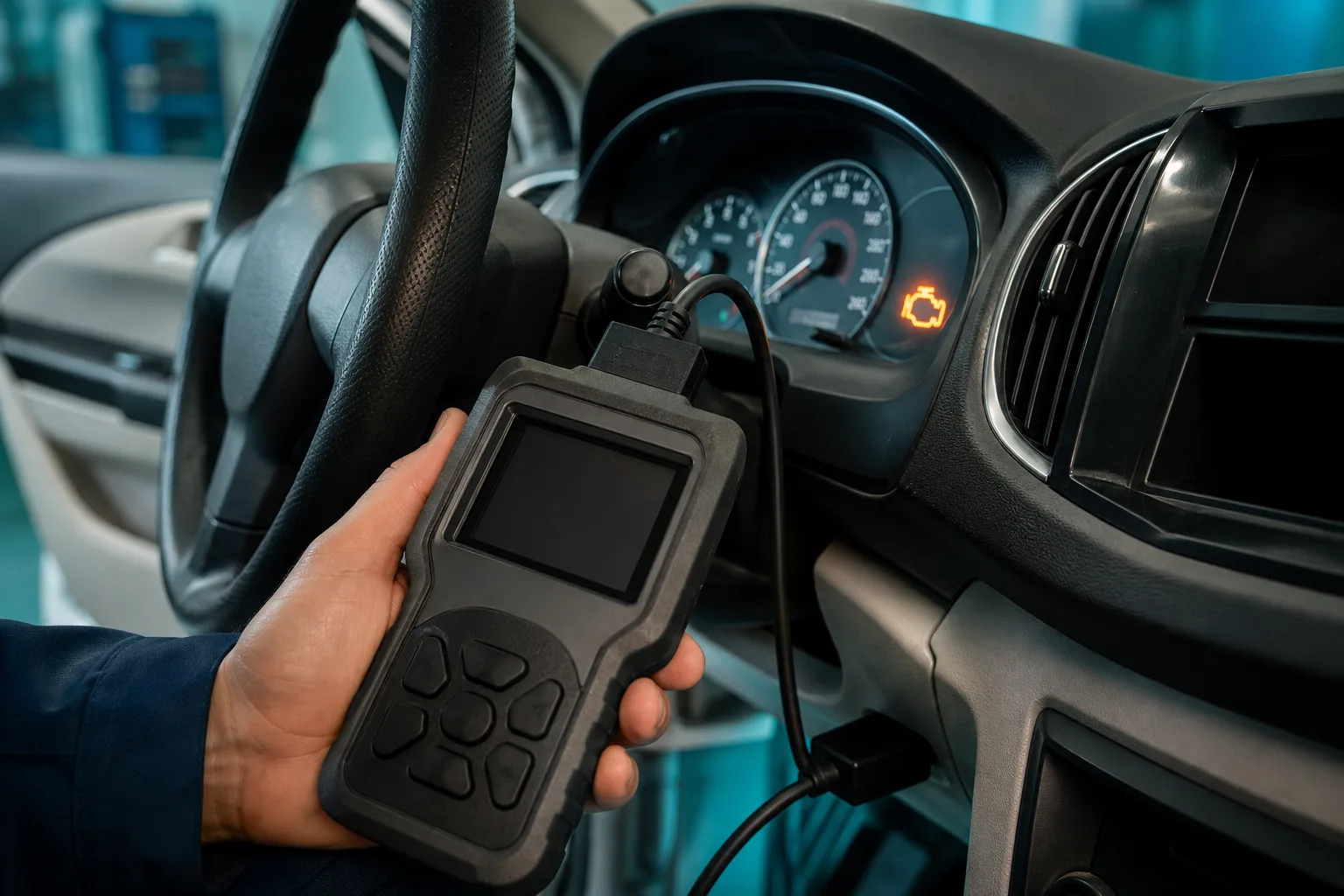
A glowing check engine light can feel alarming, but the warning itself is rarely a verdict — it is an invitation to investigate. At macrobiotx, we see drivers arrive convinced their engine is failing, only to learn the stored code points to a loose fuel cap or a pending sensor reading that never matured into a fault. Understanding how codes are generated helps you respond calmly and know when to drive straight to a workshop versus scheduling a routine scan.
How the Onboard Computer Stores Faults
Modern vehicles continuously monitor emissions, fuel delivery, ignition timing, and dozens of sensor circuits. When a reading falls outside expected parameters for a set period, the engine control module logs a diagnostic trouble code (DTC). Some codes appear instantly; others remain in a pending state until the fault repeats across multiple drive cycles.
A pending code means the system noticed an anomaly but has not confirmed a persistent failure. A confirmed code means the condition met the threshold for illumination. This distinction matters because replacing parts based on a pending code alone often wastes time and money.
Codes That Warrant Immediate Attention
Certain patterns should not wait for convenience. Flashing check engine lights, combined with rough running or loss of power, often indicate active misfires that can overheat the catalytic converter. Low oil pressure warnings, severe overheating, or codes tied to brake or stability systems also deserve immediate professional review.
- Flashing MIL with noticeable misfire or shaking under load
- Multiple powertrain codes appearing simultaneously after a sudden performance drop
- Codes linked to fuel trim extremes that cause stalling in traffic
- Any warning accompanied by strong fuel odor or visible smoke
When a Steady Light Can Wait — Briefly
A solid check engine light with normal driving behavior still requires diagnosis, but it may not represent an emergency. Evaporative emissions leaks, minor sensor drift, or aged oxygen sensors often trigger steady lights while the vehicle remains drivable for a short period. Even then, prolonged delay allows small faults to stress related components.
We recommend booking a scan within a few days. Capture notes about when the light appeared, recent fuel fills, and any changes in idle quality — these details accelerate root-cause analysis in the bay.
Why Generic Code Readers Are Only a Starting Point
Consumer scanners display a code definition, but rarely show freeze-frame data, pending history, or live sensor relationships. A P0300 misfire code, for example, does not identify which cylinder failed or whether the fault occurs only under acceleration. Workshop-grade tools log operating conditions at the moment of failure and compare fuel trims across banks.
At macrobiotx, our diagnostic process pairs code retrieval with targeted tests — compression checks, coil scope patterns, vacuum analysis — before recommending repairs. The goal is evidence, not guesswork.
What You Can Do Before Your Visit
Verify the fuel cap is tightened until it clicks. Note your mileage and any recent maintenance. Avoid repeatedly clearing codes without fixing underlying issues — erasing data removes the freeze-frame snapshot technicians rely on. If the vehicle drives normally, avoid heavy towing until a scan confirms safety.
When you arrive, bring your observations. The more context you provide, the faster we move from code to cause — and the less panic you carry into the conversation.